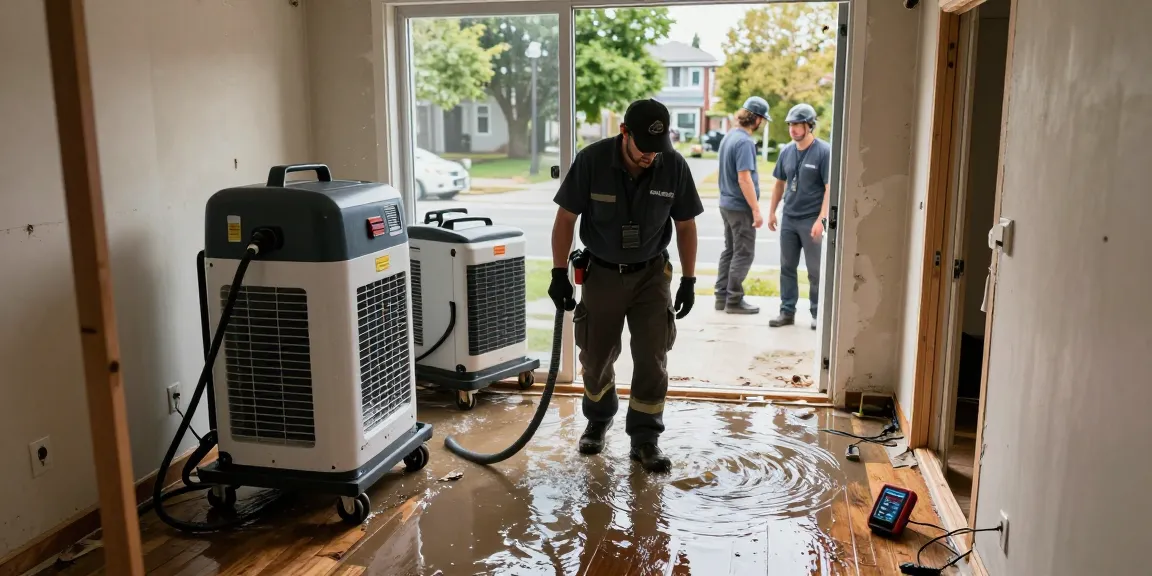
Understanding Water Damage Restoration in West Vancouver
Water damage is a serious concern for homeowners and business owners alike, especially in regions like West Vancouver where heavy rainfall and aging infrastructure pose significant risks. Understanding the nuances of Water Damage Restoration West Vancouver is essential for timely intervention and effective recovery. When water damage strikes, the consequences can extend beyond immediate concerns; structural integrity can be compromised, and health risks from mold growth can escalate rapidly. This article will provide a thorough overview of water damage restoration, emphasizing the importance of quick action to mitigate damages and preserve property value.
What is Water Damage Restoration?
Water damage restoration refers to the process of cleaning, drying, and repairing properties that have been affected by water intrusion. This multifaceted process typically includes initial assessment, water extraction, drying, and restoration of damaged materials. The ultimate goal is to restore the property to its pre-damage condition while minimizing health risks and structural issues.
Importance of Timely Response
Dealing with water damage promptly is crucial. Delays can lead to more extensive damage, including structural weakening and mold proliferation. According to experts, mold can begin to develop within 24 to 48 hours following water exposure. Therefore, understanding how to react quickly and efficiently can save property owners thousands of dollars in repairs and ensure a safe environment.
Impact of Vancouver’s Climate on Water Damage Risks
The coastal climate of Vancouver, characterized by heavy rainfall and increased humidity, creates a unique environment for water damage occurrences. Homes in this region are often more susceptible to water damage due to factors such as outdated plumbing systems, inadequate drainage, and poorer waterproofing methods. Awareness of these risks is essential for homeowners and property managers to effectively prevent and address water-related issues.
Identifying Early Signs of Water Damage
Recognizing early signs of water damage can significantly reduce restoration costs and efforts. Being proactive allows homeowners to tackle problems before they escalate into severe issues.
Common Causes of Water Damage in Vancouver Homes
- Burst Pipes: Often caused by freezing temperatures or aging plumbing.
- Roof Leaks: Resulting from wear and tear or storm damage.
- Appliance Leaks: Issues with washing machines, dishwashers, or water heaters.
- Flooding: Due to heavy rains or rising groundwater levels.
How to Spot Early Warning Signs
Early detection is key. Homeowners should look for signs such as:
- Discoloration or staining on walls and ceilings.
- Peeling or bubbling paint or wallpaper.
- Musty odors indicating the presence of mold.
- Increased moisture levels in certain areas, such as basements.
Preventive Measures to Take
Preventative measures can help mitigate the risk of water damage:
- Regular inspections of plumbing and roofing.
- Installation of sump pumps in basements.
- Proper grading around the foundation to direct water away.
- Sealing windows and doors to prevent leaks.
The Water Damage Restoration Process
The restoration process typically involves several critical steps to ensure a comprehensive recovery from water damage.
Step-by-Step Restoration Procedures
- Assessment: Identify the extent of the damage and formulate a plan.
- Water Extraction: Remove standing water using industrial pumps and vacuums.
- Drying: Utilize dehumidifiers and air movers to facilitate drying.
- Cleaning and Sanitizing: Clean and disinfect affected areas and belongings.
- Restoration: Repair or replace damaged materials such as drywall, flooring, and furnishings.
Key Equipment Used in Restoration
Advanced equipment plays a pivotal role in effective water damage restoration:
- Submersible Pumps: Used for quickly removing large amounts of water.
- Dehumidifiers: Essential for reducing humidity levels and preventing mold growth.
- Air Movers: Increase air circulation to expedite the drying process.
- Thermal Imaging Cameras: Help detect hidden moisture that could lead to mold.
Post-Restoration Cleanup and Repairs
After the drying and restoration of affected areas, necessary repairs may include repainting, replacing flooring, and fixing structural elements. Cleanup is critical to ensure that all trace elements of water damage are removed and that the property is returned to a safe and inhabitable condition.
Challenges in Water Damage Restoration
Water damage restoration is not without its challenges. Understanding these can equip property owners with the knowledge needed to navigate them effectively.
Common Misconceptions about Restoration
Many homeowners believe that water damage can be easily managed with DIY methods. However, professional intervention is often crucial for effectively addressing the damage and preventing long-term problems such as mold growth.
Dealing with Insurance Claims
Navigating insurance claims after water damage can be complicated. Understanding policy coverage and gathering necessary documentation is essential for a smooth claims process. Working with a restoration company that offers insurance support can help expedite this process.
Preventing Future Water Damage Issues
Post-restoration, it’s vital to implement preventative measures to avoid future incidents. Regular maintenance, monitoring for leaks, and installing water detection systems can significantly reduce the risk of water damage recurrence.
Frequently Asked Questions about Water Damage Restoration
Many property owners have questions regarding water damage restoration. Here are some common queries and their responses:
How often should I inspect my home for water damage?
It’s advisable to conduct inspections at least twice a year, especially before seasonal changes that may lead to increased water exposure, such as spring thaws or heavy autumn rains.
What should I do if I discover water damage?
Contact a professional water damage restoration service immediately to assess the situation and determine the best course of action.
Are DIY solutions effective for water damage?
While some minor issues can be addressed with DIY methods, most water damage situations require professional expertise to prevent further damage and ensure thorough restoration.
What types of insurance cover water damage restoration?
Homeowners’ insurance typically covers water damage caused by sudden and accidental incidents, but it’s essential to review your specific policy for coverage details.
How can I choose the right restoration company?
Look for companies with IICRC certification, positive customer reviews, and a transparent approach to pricing and services to ensure you partner with a reputable restoration provider.